
5 Graphic Design Trends Every Business Should Adopt in 2026


The world of branding is moving faster than ever, and businesses today face a constant challenge: how to stand out in a digital environment where attention spans are shrinking and competition is intensifying.
As we move into 2026, brands that embrace emerging graphic design trends will be the ones that feel credible and compelling.
These design trends go beyond aesthetics. They shape how customers interpret your message, decide whether to trust your brand, and ultimately choose whether to engage with you.

1. AI-Enhanced Visual Storytelling Is Becoming the New Standard
Artificial intelligence has become a powerful creative partner, but 2026 marks the shift from AI as novelty to AI as a storytelling tool.
Instead of producing random visuals, brands are using AI to craft cohesive narratives that align with their identity and resonate with their audience.
AI enables teams to generate visual concepts rapidly and experiment with different styles fast. It shortens the timeframe for creating imagery that reflects cultural, emotional and behavioural insights.
A growing number of brands now rely on AI-generated imagery to explore visual directions and build campaign foundations faster than traditional processes allow.
For SMEs with limited resources, this trend levels the playing field. It helps businesses produce visual storytelling comparable to large brands without requiring massive budgets.
As AI becomes more intuitive, adopting this trend becomes essential for brands that want to stay relevant and produce content at the speed consumers expect.
It still requires some vetting or quality control, of course, and not all audiences may respond equally. Having a human review AI-generated content before publishing can help ensure it connects authentically with your audience and aligns with brand messaging.
2. Minimalism Evolving into Functional Minimalism
Minimalism is evolving into something more strategic. Instead of pure aesthetic simplicity, the 2026 design focuses on functional clarity. It’s a paring down for substance, not just form.
Brands are stripping away unnecessary decorative elements so the core message becomes instantly recognisable. This is a critical advantage when customers encounter dozens of brands competing across digital channels!
Functional minimalism enhances UX by reducing cognitive fatigue. This is especially true on mobile, where cluttered layouts discourage engagement.
Typography plays a bigger role. For example, bolder, cleaner font families paired with improved spacing and intuitive visual hierarchy can better guide the viewer’s eye toward key information.
This design approach is especially effective for businesses in finance, healthcare, B2B, and education — YMYL industries, where trust is critical.
Why? When a brand’s visual identity reflects clear thinking and organised messaging, audiences are more likely to perceive it as credible and dependable.

3. Hyper Personalised Visuals Driven by Behavioural Data
Personalisation extends beyond email copy or product recommendations. Brands are using behavioural insights to create visual experiences that adapt to what different customer segments value.
With advanced analytics, brands can identify aesthetic preferences from colour tones to layout density based on user interactions.
For example, younger audiences who prefer vibrant palettes and motion-heavy content may receive dynamic visuals. Meanwhile, older or professional segments may want cleaner, more structured designs.
Hyper-personalised visuals significantly increase engagement because they feel tailor-made, thereby reducing the emotional distance between the brand and the audience.
This trend works especially well for brands running high-volume ad campaigns. When visuals evolve based on real behaviour patterns, performance improves naturally, reducing wasted spend and increasing conversion consistency.
When executed well, personalisation can become a brand differentiator rather than just a marketing tactic.

4. Organic 3D and Soft Depth Aesthetic Become Mainstream
The rise of softer 3D elements reflects a shift in consumer psychology, as people respond positively to visuals that evoke a sense of warmth, tactility, and emotional comfort.
Unlike the glossy, metallic 3D trends of the past, 2026’s organic 3D features rounded forms, natural textures, and gentle gradients that create a sense of approachability.
Industries such as wellness, skincare, lifestyle, hospitality, and FMCG are adopting this look to communicate harmony, safety and modernity.
Even corporate sectors are using subtle depth to bring more personality into their branding without sacrificing professionalism.
The soft depth trend also complements minimalism layouts, adding dimension without overwhelming the design.
As a result, businesses can create memorable brand worlds that feel modern yet human — a valuable balance in an era where audiences crave authenticity!
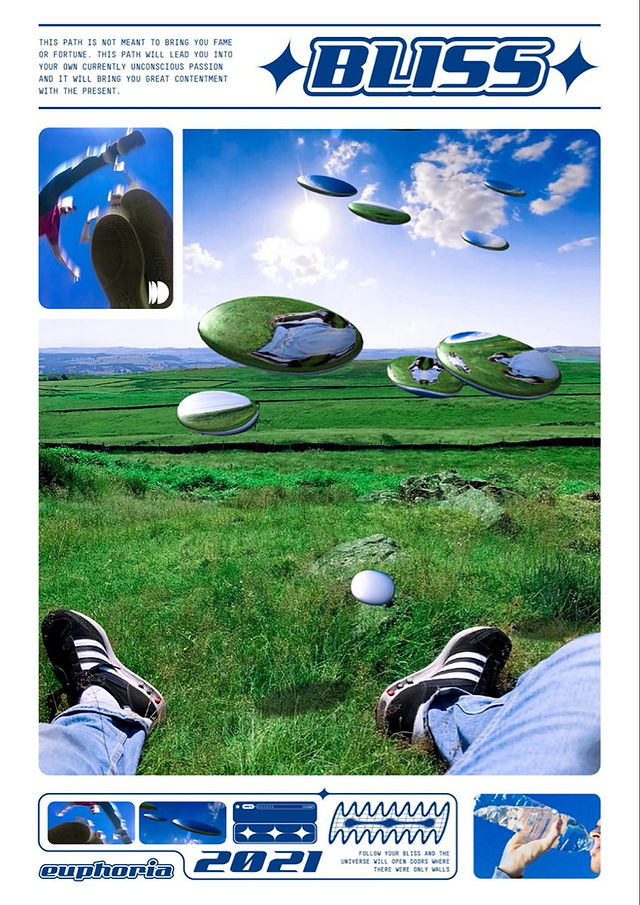

5. Retro Futurism, Nostalgia Reinvented for Modern Branding
Retro futurism combines the warmth of nostalgic design with the innovation of digital-first aesthetics.
This trend taps into familiar shapes and neon-infused colour palettes. It often features early Internet textures and playful typography. It then blends these elements with clean modern layouts.
The appeal lies in emotional resonance. Nostalgia builds instant connection, while futuristic elements keep the brand fresh and forward-looking.
This makes retro-futurism ideal for brands targeting Gen Z and Millennials, who respond strongly to visuals that feel both personal and expressive.
Brands across fashion, entertainment, tech, and lifestyle are beginning to adopt this hybrid aesthetic to stand out from traditional designs.
It injects character and boldness into campaigns while still aligning with modern design principles.
For brands looking to disrupt crowded markets, retro futurism offers an identity that is both memorable and culturally relevant.
Applying Design Trends With Performance in Mind
At ROMI, we view graphic design trends through a performance lens.
Rather than adopting visual styles for aesthetics alone, we help businesses assess how and whether emerging design trends can support clarity, engagement and marketing effectiveness.
If your brand is exploring new visual directions and wants to understand their potential impact on performance, we can help provide strategic perspective grounded in data and real-world outcomes. Reach out to us for a consultation today!


Excellent and insightful article! It’s refreshing to see design trends analysed from a business‑performance perspective instead of pure style. The mix of AI visuals, functional minimalism, soft organic 3D and retro‑futurism offers fantastic guidance for brands of all sizes. The supporting visual examples make every trend easy to grasp. Great educational piece for designers and marketing teams! --recordly